Heading out into remote Australia with your camping and touring gear packed tight is a dream for many adventurers, but it’s also a serious challenge for your vehicle’s suspension. Whether you’re driving a Toyota LandCruiser 70 Series or a custom set-up from an outfitter like Australian Explorer, understanding suspension load rating and how your rig handles weight over rough terrain is critical to avoiding breakdowns and costly repairs far from help.
In this post, we’ll demystify how to assess your suspension capacity, why simple design matters more than complex tech in the outback, and how trusted vehicles like the LandCruiser 70 Series continue to prove their mettle on the punishing corrugations and creek crossings found on Australia’s toughest tracks. Plus, I’ll share practical tips and tools (like my favourite RSS feed for travel advice and handy Facebook sharing options) to keep you informed and connected with the touring community.
Why Suspension Load Rating Is Your First Check
The suspension system might be one of the last things on your mind when packing the swag, fridge, tools, water, and everything else, but it’s essentially the backbone of your vehicle’s ability to carry weight safely and comfortably.
Suspension load rating is the manufacturer’s specified maximum load your vehicle’s springs, shocks, and supporting components can handle without suffering damage or unsafe handling. A load rating takes into account the combined weight of the vehicle, passengers, gear, and modifications.
Ignoring this rating can result in:
- Premature wear of springs and shocks Bottoming out on corrugations Poor handling and increased risk of rollover Compromised braking and steering
It’s important to get your touring weight check done professionally so you know exactly how your vehicle sits relative to its limits.
How to Find Your Vehicle’s Suspension Load Rating
Manufacturers like Toyota publish the load ratings in the owner’s manual or technical specifications. For example, the Toyota LandCruiser 70 Series — which has a legendary history dating back to its introduction in 1984 — has suspension calibrated to withstand heavy loads for severe outback conditions.
You can also consult the suspension component specs if you have aftermarket upgrades. Australian Explorer, known for their custom camper trailers and modifications, often advise customers on matched suspension upgrades for touring setups.
Why Simple Suspension Design Wins in Remote Australia
Complex, electronically controlled suspensions are making their way into many blog.australianexplorer.com newer 4WDs, but in rugged Australia, sometimes less is more. Vehicles like the Toyota LandCruiser 70 Series stick to simple, robust leaf spring or coil spring setups for reasons that should matter to any remote traveler:
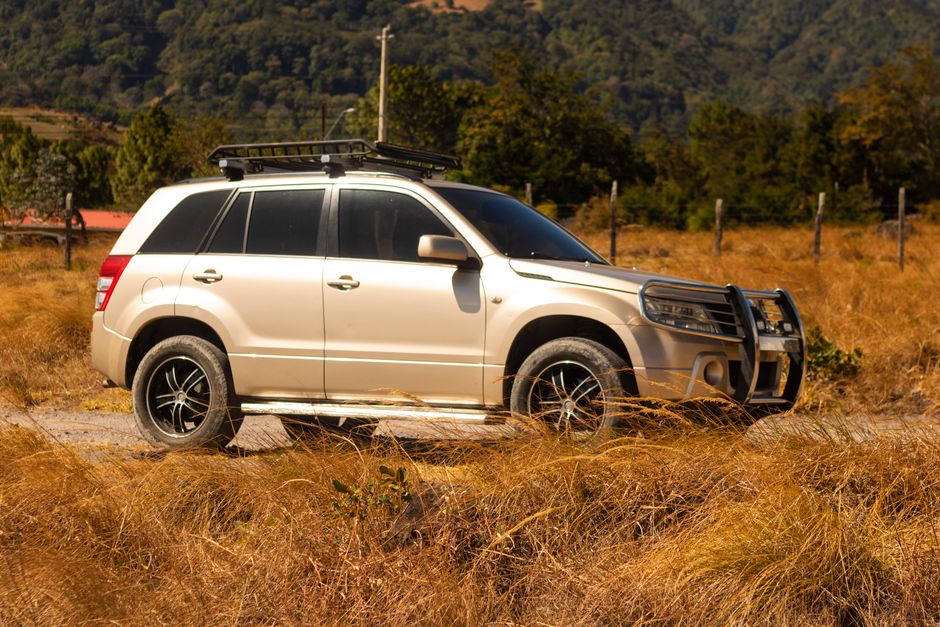
On the Australian Explorer’s tours, which often take vehicles deep into the Simpson Desert or along the Canning Stock Route — two tracks known for punishing suspensions — simple and durable suspension is the difference between a successful trip and a tow truck bill.
Handling the Harsh Outback: Corrugations, Crossings & Long Distances
Corrugated dirt roads are an infamous challenge. They’re like a never-ending washboard, battering both suspension and tyres relentlessly.
How Suspension Affects Handling on Corrugations
A suspension setup that is too soft and overloaded will cause you to “bottom out” frequently, transferring jolts directly to your chassis and occupants. Too stiff, and you lose grip and risk bouncing dangerously at higher speeds.
For touring vehicles, a good balance is crucial — leaf or coil springs that can carry your packed gear and a fully-loaded camper trailer without sagging excessively and with shocks calibrated to smooth the ride over relentless bumps.
What About Water Crossings?
Constant exposure to water can accelerate wear on suspension bushings and metal components. A suspension that’s easy to maintain and inspect — like on the 70 Series — will give you confidence to traverse creek crossings safely.
How to Perform a Touring Weight Check
If you want to know if your suspension can handle your gear, a touring weight check is the most straightforward and reliable method.
Weigh your vehicle: Weigh your car fully loaded with all gear including passengers at a certified weighbridge. Compare to ratings: Check your vehicle’s GVM (Gross Vehicle Mass), GCM (Gross Combination Mass), and axle ratings, all of which are influenced by suspension limits. Calculate distribution: See how much each axle is carrying and whether it’s within limits. Adjust load: If overloaded, reduce weight or consider suspension upgrades.This check is especially important for people using trailers or camper trailers that add to the gross combination mass.
Common Small Things That Stop Big Trips
In my 10+ years of interviewing station owners, remote locals, and tour operators, I keep a running list of seemingly trivial things that cause big problems on the road:
- Ignoring manufacturer weight ratings “just this once” Failing to upgrade suspension for long-distance touring sets, resulting in saggy springs and worn shocks by trip end Not checking tyre pressures relative to load, leading to tyre damage on corrugations Overpacked bags where recovery gear gets cut to save weight
Adhering to suspension load ratings and performing a weight check can prevent these issues.
Summary Table: Suspension Load Considerations for Different Vehicles
Vehicle Suspension Type Key Benefit Typical Suspension Load Rating (approx.) Recommended For Toyota LandCruiser 70 Series Leaf Springs / Coil Springs Robust and repairable in remote areas Up to 3,000kg GVM Heavy loads, remote touring, offroad Lightweight 4WD (stock) Independent Front Suspension (IFS) Comfortable on sealed roads, less rugged Varies; often under 2,500kg GVM Light touring, less demanding outback trips Custom Outback Camper Trailers (Australian Explorer) Heavy Duty Suspension Kits Matched to payload and rough terrain Payload ratings 500+ kg Long-range, heavy camping setupsStay Informed and Connected
To keep updated on suspension tips, outback track conditions, and gear advice, I recommend subscribing to my RSS feed. It’s designed specifically for remote travelers so you don’t get the “city-only” advice that ignores corrugation damage or overloading issues.
Also, share your touring weight checks and suspension upgrades on Facebook groups focused on Australia’s outback touring community. It’s an invaluable way to compare notes on vehicles like the LandCruiser 70 Series and hear first-hand accounts from expert operators like those at Australian Explorer.
Final Thoughts
When it comes to knowing if your suspension can handle your camping and touring gear, it all boils down to respecting the numbers. The Toyota LandCruiser 70 Series’ decades-long success in remote Australia proves that simple, reliable suspension set-ups matched to your load pay off.
Before you head off on your next expedition, complete a proper touring weight check, don’t skimp on suspension upgrades if needed, and remember that carrying extra gear means carrying extra responsibility for your vehicle’s health. With the right preparation, your suspension will handle the punishing corrugations, creek crossings, and long distances Australian explorer routes throw your way.
Safe travels out there!