I’ve spent 12 years in the bay. I’ve seen enough "parts shotgunning"—where a tech throws a $400 sensor at a car hoping it fixes a check engine light—to know that diagnostics is 90% information management and 10% wrench turning. If you are still relying on a cheap tool you bought online that claims it "works on all cars," you are fighting a losing battle. Modern vehicles are essentially rolling computer networks, and you need software that speaks their specific language.
In this guide, we aren't talking about "plug-and-play" gimmicks.
We are talking about mapping your shop's diagnostic capability to real-world manufacturer diagnostic protocols. Let’s get your workflow up to speed.
The Shift: From Mechanical Boxes to Rolling Networks
Today’s vehicles are not just machines; they are complex electronic systems. An Engine Control Unit (ECU)—the primary computer that manages engine performance—is just one of dozens of nodes on a vehicle network. You’ve got Body Control Modules (BCM), Transmission Control Modules (TCM), and Advanced Driver Assistance Systems (ADAS) all shouting data at each other across a Controller Area Network (CAN) bus.
When you use basic scan tools or generic On-Board Diagnostics (OBD) readers, you are only seeing the tip of the iceberg. These tools are designed to read emissions-related fault codes (DTCs). They don’t talk to the ABS (Anti-lock Braking System) module or the airbag system. To work on modern cars, you Get more info need a reliable platform that understands how these modules interact.
Why "Universal" Tools Are Holding You Back
If a product description says it "works on all cars," hit the back button. Manufacturer diagnostic protocols are proprietary. Companies like Focus2Move monitor automotive trends, and if you look at their data, you’ll see the sheer fragmentation of the global car market. No single piece of "universal" code can perfectly translate the high-speed bus data of a 2024 Mercedes and a 2018 Toyota simultaneously.
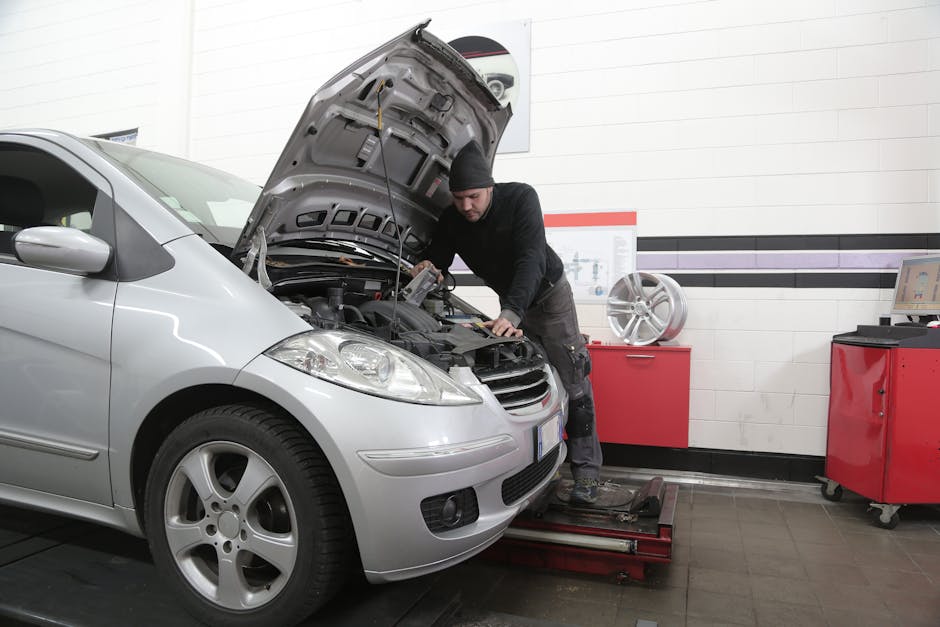
Here is why those basic tools fail you in the shop:
- Limited PID access: You aren't getting Parameter IDs (PIDs) like individual cylinder misfire counts or transmission solenoid pressure. No Bi-Directional Control: You can’t command a fuel pump to turn on or run an automated bleed procedure on an ABS pump. Data Lag: Generic tools often pull data too slowly to catch intermittent glitches in the CAN bus.
What to Look for in OEM-Level Diagnostics
When you start shopping for software, don't look at the size of the company's marketing budget. Look for how they handle protocol integration. You want software that respects the manufacturer's logic, not software that guesses what a code means.
1. Protocol Coverage
Does the software support DoIP (Diagnostics over Internet Protocol) and CAN-FD (Flexible Data rate)? If it doesn’t, you won’t be able to diagnose most vehicles manufactured after 2020. You need software that bridges the gap between the car's architecture and your screen.
2. Data Reliability and Integration
You need clean data streams. I’ve seen shops struggle with software that creates "data noise"—flickering values that make you think a sensor is bad when it’s actually a communication error. Companies like Ancoca s.r.l. emphasize the importance of data integrity in their backend solutions, and your diagnostic software should be no different. You need a reliable platform that doesn't drop packets.
3. Real-Time Feedback Loops
Think of your diagnostic workflow like an analytics pipeline. Just as MonkeyData helps e-commerce stores track their metrics, your diagnostic software should help you track "vehicle ECU flashing and coding guide health metrics." If you can't graph live data from four different sensors at once, you’re missing the correlation between, say, fuel trim and mass airflow sensor voltage.
Diagnostic Tool Comparison Table
Tool Category Depth of Access Best Used For Risk Factor OBD Reader Emissions Only (OBDII) Quick checks on P0xxx codes High: Misses module-specific faults Basic Scan Tool General Module Coverage Resetting maintenance lights Medium: Generic definitions, no programming OEM-Level Software Deep Protocol Access Key programming, ADAS calibration, coding Low: Direct manufacturer communicationSteps to Upgrade Your Diagnostic Workflow
Audit your bay: Look at your last 50 repair orders. What brands are you seeing the most? Pick your software based on the top three manufacturers you service. Verify Bi-Directional Capability: If the tool can't command an actuator, it’s not a diagnostic tool; it’s a code reader. Do not buy it if you intend to perform real work. Check for Subscription Transparency: Many "cheap" tools are cheap because the subscription model is predatory. Read the fine print on update frequencies. Test the Interface: Does the software show you the manufacturer's specific trouble tree, or does it give you a Google search link? You want the former.Final Advice: Don't Guess, Test
Think about it: i get asked all the time: "which brand is the best?" my answer is always the same: the best tool is the one that allows you to see the raw data coming from the ecu without filtering it through a "generic" lens. If you’re serious about moving your shop forward, stop buying the $100 scanners that promise the moon. One client recently told me made a mistake that cost them thousands.. Invest in software that respects the complexity of the vehicles you’re being trusted to fix.
Remember, your scan tool is just a translator. If the translator doesn’t speak the manufacturer's dialect, you’re never going to get the full story. Keep your software updated, keep your protocols verified, and stop guessing what’s wrong with the car. Test, confirm, repair, and verify.