After eight years of driving evpowered.co.uk electric vehicles (EVs) and writing about the intersection of technology and daily habits, I have learned one fundamental truth: most range anxiety isn’t caused by the car. It’s caused by the driver’s tendency to treat an electric road trip like a petrol station dash.
In a petrol car, you stop when the light comes on. You refuel for five minutes, buy a lukewarm coffee, and you are back on the M6. In an EV, if you rely on that same reactive, short-term decision-making, you will eventually find yourself stuck in a cold car park at 11:00 PM, cursing a broken charger while your battery percentage drops into the single digits.
To master the EV road trip, you have to stop reacting to the present moment and start thinking in terms of long-term probability. You need a data-driven strategy that treats your battery as a mobile asset, not a fuel tank.
The Trap of the "Dashboard Mirage"
The first thing I tell new EV owners is to stop trusting the range estimate on your dashboard. That number is not a promise; it is an optimistic prediction based on how you drove *yesterday*. If you spent all of yesterday cruising through a 30mph suburban zone, your dashboard thinks you are a hyper-miler. Put that same car on the M1 at 70mph in a headwind, and watch that "remaining range" evaporate faster than a politician’s promise.
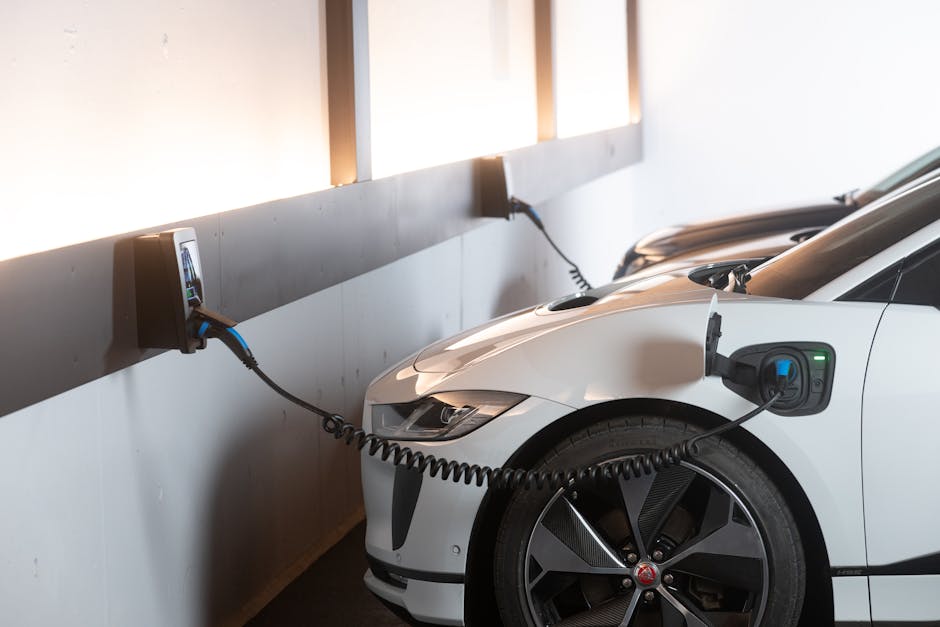

My sanity-check rule is simple: Calculate your own range. If it’s raining, cold, or you are driving above 65mph, take the manufacturer’s rated range, subtract 25% to 30%, and use that as your "hard limit" for planning. If the car says you can make 200 miles, plan for 140. That 60-mile buffer is your insurance policy against road closures, detours, and chargers that don't output their advertised power.
Data-Driven Trip Strategy
I don’t leave the house without a plan, but I don’t follow that plan blindly either. I use Zap-Map not just for navigation, but for risk assessment. When I look at a route, I am not just looking for the closest charger; I am looking for a charger with "community feedback."
The beauty of the current EV ecosystem is the sheer volume of data available if you know where to look. I spend time on forums and the Disqus comment sections embedded in EV enthusiast sites. When a major charging network has a hardware refresh, users talk about it. If three people in a comment section say the unit at Tebay Services is consistently derated to 50kW despite being sold as a 150kW unit, I don't risk it. I skip it. That is the definition of long-term thinking—sacrificing 10 minutes of "efficiency" now to avoid an hour of "avoidable hassle" later.
The Avoidable Hassle List
Over the years, I have curated a mental list of things that cause 90% of road trip stress. If you can mitigate these before you turn the key, the trip becomes trivial.
- The "Cold Soak" Battery: If you start a trip with a freezing cold battery, your charging speed will be pathetic. I pre-condition the battery via the car's app while it's still plugged in at home. It’s the single most effective way to start a trip with a win. Peak Time Fatigue: Everyone stops for lunch at 12:30 PM. I stop at 11:15 AM. I eat, stretch, and charge while the queues for the chargers at the motorway services are just starting to form. The "One Charger" Gamble: I never rely on a location that has only one rapid charger. If that one unit fails, my entire plan collapses. I always aim for "high-density" hubs where there are at least four units.
Risk vs. Reward: A Decision Matrix
When you are on the road, you are constantly making micro-decisions. Should I charge now to 80% or push on to the next one? Should I risk the charger with a 3-star rating? The table below outlines how I frame these choices to avoid short-term reactivity.
Scenario Short-Term Reaction Long-Term Strategy Arriving at a crowded site Wait in line for the first available space Check Zap-Map for a quieter charger 5 miles off-route Battery at 20% Push to 0% to save time Charge to 50% now, then charge again for 10 mins later Weather turns to heavy rain Keep driving at 70mph Drop speed to 62mph to offset aero drag and wiper energy Uncertain charger status Hope for the best Check user logs on Disqus/Apps for recent outagesThe Psychology of the EV Driver
The biggest hurdle to making better long-term decisions is the human urge to "win." We want to get there as fast as the internal combustion drivers. We want to prove that our EV is "just as good" as a petrol car. But the moment you accept that an EV trip is fundamentally different—that it is a journey of planned stops rather than a race to the finish line—the stress vanishes.
You must stop treating your stops as "down-time" or "wasted time." If you view a 30-minute charge as a necessary break to grab a coffee, check your emails, or walk the dog, it stops being a hassle. It becomes part of the experience. The long-term thinker knows that the arrival time is less important than the quality of the journey.
Refining Your Routine
If you want to move from "stressed traveller" to "master strategist," start logging your own trips. Keep a note on your phone. Record the temperature, the actual energy consumption per mile, and the chargers that worked perfectly versus those that didn't. This creates your own personal data set.
When you have this data, you stop guessing. You realise that in February, your range is consistently 22% lower. You realise that the charger at your local supermarket is prone to software glitches on Tuesday afternoons. You stop being a victim of the technology and start becoming the operator of it.
Final Thoughts: The Long View
Transitioning to an EV isn't just about changing how you fill up your car. It’s about changing your relationship with the infrastructure around you. It requires a shift from being a passive consumer of fuel to an active manager of energy.
Don't be the driver who rushes to the charger at 5% and complains when they can't get a connection. Be the driver who checked the comments on Disqus, verified the charger status on Zap-Map, and built in a buffer for the weather. It takes an extra five minutes of planning at your kitchen table, but it will save you hours of frustration on the side of the motorway.
Road trips are meant to be enjoyed, not survived. By making data-driven, long-term decisions, you ensure that your electric journey is defined by the scenery, not by the proximity to the nearest functioning 50kW unit.