It’s a frustrating scenario: you try to access your website, but it says “Site Currently Unavailable” — yet when your friends or colleagues check, the site loads perfectly for them. What gives?
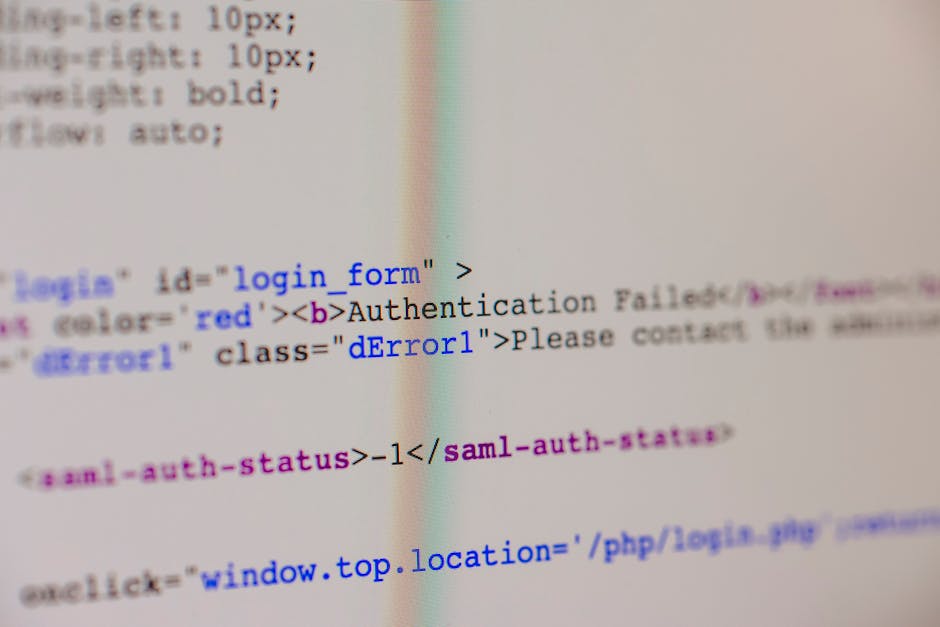
Before you panic, this issue usually boils down to a few common causes that can be resolved with clear troubleshooting steps. In this post, we'll dive deep into what “Site Currently Unavailable” typically means, explain key HTTP status codes like 400, 401, and 403, touch on common missteps regarding DNS and domain configuration, and give you practical approaches like how to check website status, perform a dns cache flush, and use the incognito test to isolate the problem.

Understanding "Site Currently Unavailable" Messages
When you see a message like “Site Currently Unavailable” or even a blank error page, this can be generated from several points along the connection path between your computer and the web server hosting the site. Commonly, the message comes from your hosting provider’s infrastructure indicating the site is offline or blocked for some reason.
Reasons for this message can range from:
- Host-level account suspension or billing holds Domain misconfiguration or expired domain Local device or network DNS caching issues Browser or user-specific access restrictions Website’s server-side errors, including HTTP status code responses
Your job as the user or site owner is to isolate whether the problem is server-side, network-related, or local to your machine.
Host-Level Suspension & Billing Holds
One common reason some users see “Site Currently Unavailable” while others don’t is because of host-level suspensions. Hosting providers may suspend or disable your account if a payment hasn't gone through or there’s a violation of their terms of service.
However, it’s important to note sometimes hosting providers implement IP or region-based blocking, so certain users or login sessions get blocked differently. This is not always communicated clearly over support — so if you suspect this:
Check your hosting account dashboard to verify billing status. Look for any emails from your hosting provider regarding suspensions. If you cannot confirm from the interface, contact hosting support directly and ask specifically if your account or IP is suspended or blocked.Failures in billing or policy compliance may trigger a “Site Unavailable” front-end message instead of a plain error, which can confuse users who assume the website is down permanently.
Decoding HTTP Status Codes: 400 vs 401 vs 403
While “Site Currently Unavailable” feels vague, HTTP status codes returned by the server can give exact clues about why access is denied or blocked. Here’s a quick overview of three important client error status codes often misinterpreted:
Status Code Description Common Cause 400 Bad Request The server could not understand the request due to malformed syntax. Incorrect URL format, corrupted cookies, bad query parameters. 401 Unauthorized The requested resource requires authentication which has not been provided or is invalid. Missing or wrong login credentials. 403 Forbidden The client is forbidden from accessing the requested resource. IP blocked, permissions issue, or server configuration denies access.Why is 400 such a common mistake? Often users or site owners confuse a 400 error with server downtime or “site unavailable” messages. But 400 specifically means the server did respond, but cannot process your request because the browser sent unrecognizable data. This can lead to the site appearing unreachable "only for me" if incorrect cookies or local corruptions are involved.
How to Handle HTTP 400 Errors
- Clear your browser cookies and cache for that site, but remember—not just a vague “clear everything”: focus on site-specific data. Try an incognito test: Open a private browsing window which does not use your usual cookies or cached data. Check if you’re using any URL shortcuts or bookmarks that may have incorrect parameter syntax. Ensure your browser or proxies aren’t modifying requests incorrectly.
DNS & Domain Configuration Problems
Another critical factor when your site is “currently unavailable only for me” is local or network DNS misconfiguration.
What is DNS? It’s the system that translates a domain name like example.com into the IP address of the server where your site lives. If your DNS resolution is outdated or pointing to the wrong place, you might be sent to a dead or obsolete server — even if everyone else sees the correct live server.
Common DNS Problem Scenarios
- Local DNS Cache Outdated: Your device or router may have cached an old IP address for the domain. This causes your browser to try to contact the wrong IP, resulting in connection failures or “site unavailable” errors. Propagation Delay: Recently changed DNS records may not have fully propagated. Some computers update quickly; others lag. Incorrect Nameservers: The domain may be configured with wrong nameservers, or the hosting provider changed DNS records recently.
How to Troubleshoot DNS Issues
Use online tools like WhatsMyDNS.net to check DNS propagation globally and see whether the correct records exist. Perform a dns cache flush on your computer: On Windows: Open Command Prompt as Administrator and run ipconfig /flushdns. On macOS: Open Terminal and run sudo dscacheutil -flushcache; sudo killall -HUP mDNSResponder. On Linux systems, restart the nscd service or equivalent. Restart your router/modem to clear its DNS cache. Try the incognito test in your browser to rule out browser caching issues. Use nslookup yourdomain.com or dig yourdomain.com in your terminal to confirm the IP address your system resolves.Step-by-Step Trouble-Shot Routine for “Site Currently Unavailable Only for Me”
Here’s my first 5 checks that I do when a site shows as unavailable only to me but is accessible to others. Follow these steps in order:
Check exact error message and timestamp: Note down what you see, including HTTP status codes or host messages. Test from different networks and devices: Try your site on mobile data or a friend’s computer. Perform an incognito test on your browser: Ensure no stale cookies influence the request. Flush your local DNS cache: Follow the OS-specific instructions above. Check your hosting provider account status: Verify billing, suspension, or suspended IP blocks.If all these fail, contact your hosting provider with the exact error text and timestamp, stating explicitly that the site is accessible for others but not you. Do not accept vague replies like “clear your cache” when the server might be blocking you because of policy or misconfiguration.
Closing Thoughts
When you encounter “Site Currently Unavailable Only for Me”, don’t jump to conclusions that the entire site is down. Most often, local DNS cache issues, HTTP errors like 400 caused by malformed requests, or host-level suspensions explain Homepage the discrepancy.
Remember to always:
- Exact error text and timestamp first, not guesses. Use incognito mode tests to avoid interference from cached data. Flush your DNS cache regularly after DNS changes. Verify hosting account billing and suspension status upfront.
By breaking down the issue methodically, you’ll avoid the headache of blaming plugins or browser issues mistakenly and get your site back to accessible status quickly.
Got stuck? Always ask your hosting provider for precise log messages or suspension confirmation. Half-measures like “try clearing cache” without full details won’t help when your site load depends on DNS and host policy correctly aligned.
Take control, be precise, and don’t mix up DNS, hosting, and browser caching issues — the fix is usually simpler than it looks!
```