I have spent twelve years watching users drop off apps because of a three-second delay. I have sat in too many rooms where marketing teams talked about "delighting the customer" while the checkout flow required five clicks and a password reset. Here is the truth. Your users do not want to be delighted. They want to finish their task and get on with their lives. Real-time tracking changed the game because it replaced mystery with certainty. It shifted the https://instaquoteapp.com/why-ride-sharing-apps-obsess-over-driver-availability/ power dynamic. Now the user knows exactly where their package is or why their transaction is pending.

Smartphones Are Our Only Service Hubs
We do not go online anymore. We live online. According to data from the Pew Research Center, smartphone ownership is near universal for most demographics. This device is the command center for everything. We track our groceries. We track our ride shares. We track our gym memberships. If a service does not offer a real-time status update, it feels broken.
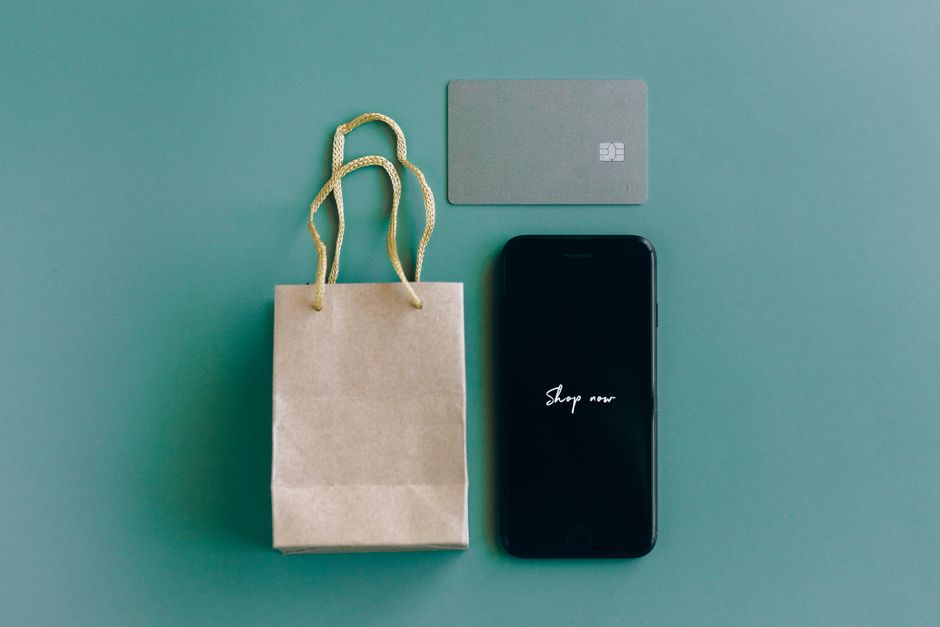
Consider the rise of mobile wallets. You pay with a tap. You get a push notification immediately. That is the new baseline. If you force a user to wait for an email receipt or look at a generic "processing" screen for three days, you have failed. They will assume you are incompetent or hiding something. Transparency is no longer a feature. It is the cost of entry.
The Death of Comparison and the Rise of Convenience
Real-time tracking kills the urge to shop around. When a user can see exactly where their food is or when their https://seo.edu.rs/blog/predictive-recommendations-are-not-magic-why-your-phone-knows-what-you-want-11121 ride will arrive, they stop looking for alternatives. They stop questioning the service quality because they have visual proof that the process is moving. Convenience is a drug. Once a user gets used to a frictionless flow, they lose the patience for anything else.
I track "tiny frictions" in a spreadsheet. One of the biggest offenders is the lack of progress indicators. If a user is waiting for an account verification, give them a status bar. Tell them what step they are on. If you leave them in the dark, they will leave your app.
Feature Old Expectation New Expectation Transaction Status Wait for a bank statement Real-time push alert Delivery Wait for a delivery date range Live GPS map on phone Account Security Wait for email confirmation Instant biometric loginTransparency in High-Stakes Environments
This expectation for transparency extends far beyond retail. Look at MrQ casino. In an industry where trust is the primary barrier to entry, they succeed by being clear about their mechanics. Users are skeptical of gaming platforms because they worry about hidden processes. By providing clear information on deposits and game logic, they meet the demand for service transparency. Users want to see the gears turning. They want to know their money and their data are being handled in real-time.
The same logic applies to specialized tools. Take Magnific for example. In the world of AI imagery and high-end processing, users are used to massive server-side lag. If a tool like Magnific provides feedback on how long an upscale or edit will take, it lowers the frustration level. They manage the user's wait time by being honest about the process. Honesty beats a fake progress bar every single time.
Personalization Is Not Free
We talk a lot about recommendation engines. We tell users that if they give us their data, we will give them a better experience. That is marketing fluff. Let us be honest about the trade-off. Personalization means surveillance. You are tracking what they buy, what they click, and where they go. Users accept this because the convenience of a tailored experience is high. However, if that personalization breaks, the whole thing falls apart.
If your recommendation engine shows a user a pair of shoes they already bought last week, the illusion of intelligence vanishes. It feels like a glitch. Real-time data usage is the only way to keep personalization relevant. If your data pipeline is slow, your "recommendations" are just noise.
Frictionless UX Is the Baseline
I test checkout flows on 3G connections on purpose. I want to see where the app hangs. I want to see the buttons that do not react. If your app feels heavy, users will blame the service, not their connection. Here is my list of common frictions that make people abandon apps:
- Forced account creation before seeing a price. Pushing marketing notifications before the user has even finished their first task. Hidden fees that appear only at the final step of checkout. Lack of support for mobile wallets like Apple Pay or Google Pay. Loading spinners that provide no indication of how long the wait will be.
If you remove these frictions, your conversion rates will climb. It is not magic. It is just respecting the user's time.
Why Service Transparency Wins
User satisfaction is not about fancy animations. It is about closing the information gap. When a user asks "where is my stuff," they expect an answer immediately. If you have to manually look up an order status, your app is a failure. If your database takes ten seconds to query, your app is a failure. We are living in a world where speed is a service quality.
If you want to keep your users, you need to provide them with the same level of visibility you have. Do not hide your processes. If a payment is pending, tell them why. If a delivery is late, show them where the delay happened. Users forgive mistakes. They rarely forgive being kept in the dark.
Final Thoughts on the Future of Mobile
The future of app development is not more features. It is better visibility. We are moving toward a standard where the user knows everything that the backend knows. This is scary for some product owners. It means you cannot hide your technical debt or your operational inefficiencies behind a clean interface.
That is a good thing. It forces everyone to build better systems. It forces us to fix the lag. It forces us to optimize the database calls. When we stop trying to trick the user and start trying to inform them, we build products that people actually want to keep on their home screens.
Test your app on a bad connection. Try to log in with a slow internet speed. See where the friction lives. Then fix it. Your users will notice, even if they do not say anything. They will just keep using your app instead of closing it in frustration.