When it comes to fitting out your 70 Series or other work ute for towing, every detail counts. Whether you're pulling a heavy trailer through dusty tracks or cruising wet highways in regional NSW, the choice between mirror indicators and heated mirror glass can make a big difference to safety and usability. As someone who's spent over a decade fitting and tweaking 4x4s and work utes around here—with a keen eye on the 2023 Toyota 70 Series changeover—I'll break down why both features can matter, but you need to pick your battles based on your setup.
Understanding the Context: Which Year and Engine?
I'll be honest with you: before we dive into towing mirror features, i need to ask: what year and what engine are we talking about? there's a massive difference between pre-2023 70 series and post-2023 builds, right down to wiring looms and mounting points. Also, different engines come with different sensor packages which affect mirror electronics and fitment specifics. This matters because sloppy hacks or ignoring these details leads to “shed-on-a-Saturday” errors—wiring problems that compromise the entire system. So, always check OEM fitment and compatibility first.
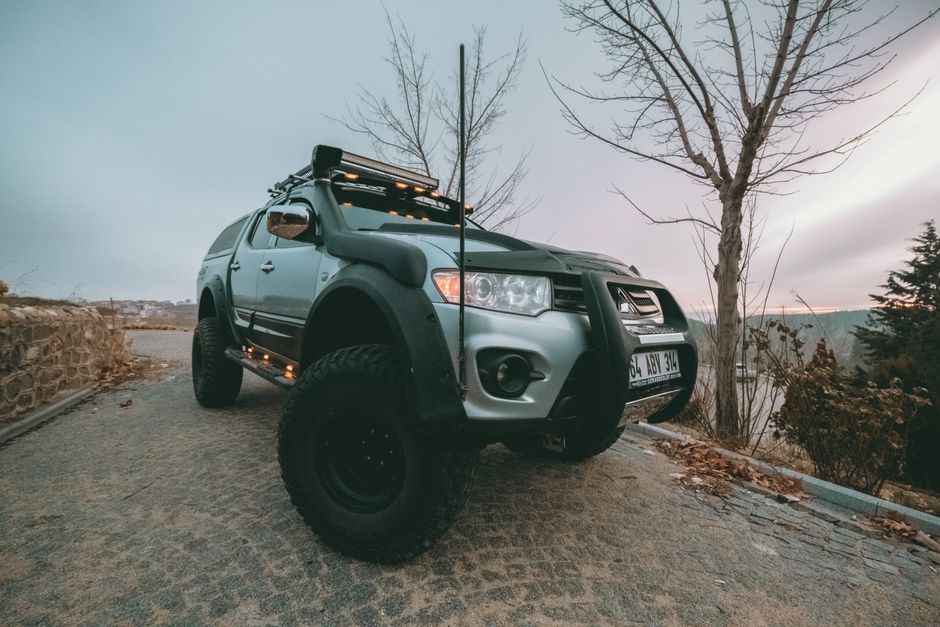
Mirror Indicators: Why They Are More Than Just Flashy Lights
Mirror indicators serve a critical role in towing safety, especially when you're navigating tight roads, dusty trails, and busy highways. Here's what makes them an essential feature rather than just an aesthetic add-on:
- Towing Safety & Blind Spot Reduction: Standard indicators on your tow vehicle might be obscured by the trailer or load. External mirror indicators improve visibility to vehicles around you, making lane changes and turns safer. Compliance & Legal Requirements: Depending on your region, many towing setups legally require additional indicator lights to be visible from the side. Robustness & OEM Integration: Toyota and ARMAX’s Safari range towing mirrors come built for harsh conditions—meaning they integrate well with the vehicle’s factory wiring and maintain strong signal visibility even under heavy dust.
Mirror Indicators and Dust Management
Dust isn’t just a nuisance; it can obscure critical safety signals when towing. External indicator lights positioned on towing mirrors are less likely to be covered in dust compared to rear trailer lights, simply because they face airflow and see self-cleaning from high-speed air blasts. This is why Safari snorkel kits, well known for managing engine breathing and dust ingress, complement well-fitted mirror indicators on a 70 Series. Snorkel prices start from around $526 but they are worth it to keep inlet air clean and engine breathability solid, minimizing engine risk when towing dusty loads.

Heated Mirror Glass: A Weather-Smart Addition
Now, heated mirror glass might seem like a luxury compared to the hard safety impact of indicators, but don’t let that fool you. Heated mirrors are a significant upgrade for anyone towing in all weather conditions, especially in the variable climates of Australia’s regional NSW and alpine areas.
- Water Ingress Prevention: Heated mirrors can melt frost, rain, or condensation quickly. This reduces the risk of water ingress that can cause corrosion or electronic faults. Clear Visibility in Cold & Wet: Early morning tows or sudden weather changes are no joke. If your mirrors fog up or ice over, blind spot monitoring and lane change signaling become guesswork. Reduced Maintenance: Properly heated mirrors avoid moisture build-up and therefore reduce risk of wiring faults which are common in cheap aftermarket mirror replacements.
How Heated Mirrors Help with Fitment Accuracy
While heated mirrors are excellent, they require proper wiring harnesses that match your vehicle’s engine and year. Toyota’s OEM heated mirrors on the 2023 70 Series deviate from previous model wiring looms—often causing fitment headaches if aftermarket parts aren't precise. Companies like ARMAX and Safari, both known for their quality accessories (Safari’s snorkel kits and ARMAX’s Safari mirror range), understand these nuances and design their heated mirrors for exact fitment and factory integration. This keeps installations clean, avoids cut looms, and ensures durability.
Choosing Between Indicators and Heated Mirrors: A Summary Guide
Choosing between towing mirror indicators and heated glass depends on your specific towing conditions and vehicle setup. Here’s a breakdown:
Feature Best For Key Benefit Fitment Notes Mirror Indicators Frequent towing on busy roads, heavy trailers Improved safety through better signaling visibility and legal compliance Must match vehicle year and wiring harness; avoid cutting looms Heated Mirror Glass Towing in wet, icy, or humid conditions Clear visibility, moisture control, and extended mirror lifespan Requires specific wiring; OEM or compatible aftermarket fit essentialCompleting Your Setup: Dust Management and Engine Breathing
While we're talking related gear, let’s quickly touch on engine breathing and dust management. Adding a snorkel—such as the ones from Safari, who command a good reputation for robust kits starting from around $526—protects your engine air intake from dust and water ingress when crossing creeks or traversing dry, dusty outback trails. Keeping your engine clean and breathable reduces risk of costly failures and complements towing mirror upgrades perfectly by ensuring your entire rig works reliably in tough conditions.
Final Words: Avoid “Shed-on-a-Saturday” Mistakes
I've seen this play out countless times: made a mistake that cost them thousands.. After 12 years fitting and customizing, I’ve learned that cutting corners with wiring and ignoring year-specific fitment kills your project faster than a busted diff on a steep creek crossing. Whether you choose mirror indicators, heated mirrors, or ideally water crossing snorkel 79 series both, stress proper OEM or high-quality aftermarket parts that understand the intricacies of your 70 Series build and engine specs.
Work with suppliers like Toyota, Safari, and ARMAX who build gear that matches your rig, and never settle for generic advice or parts that look “cool” but don’t fit properly. And if you’re planning any snorkel or mirror upgrades, budget sensibly—remember that Safari snorkel kits start from around $526 and are an investment in long-term engine health.
TL;DR
- Mirror indicators are essential for towing safety, especially on busy roads and with large trailers. Heated mirror glass matters most if you tow in wet or cold weather and want to maintain clear sightlines. Both need to be correctly matched to your year and engine to avoid wiring and fitment issues. Combine your mirror upgrades with dust-management solutions like Safari snorkel kits (starting from $526) for the best all-round towing setup.